
They might not be as ubiquitous as almonds or cashews, but when it comes to superfoods that are need-to-know, macadamia nuts deliver some serious perks — the type that may just send them skyrocketing to staple-snack status in your life. Grown on Hawai'i Island - or The Big Island - these buttery, crunchy nuts from Ahualoa Family Farms are a gourmet treat while lining up heart-, brain- and even weight-friendly nutrients. Continue reading to learn why you should consider snacking on Sea Salt Macadamia Nuts.
Are Macadamia Nuts Healthy?
Yes, macadamia nuts can be a healthy addition to a balanced diet. They're naturally rich in monounsaturated fats, which are also found in foods like avocados and olive oil. Macadamia nuts also provide fiber, plant-based protein, vitamins, and minerals that support overall health.
One of the biggest nutritional advantages of macadamia nuts is their fat profile. Most of the fat in macadamia nuts is monounsaturated fat, which can be part of a heart-healthy eating pattern when it replaces foods higher in saturated fat. These nutrients contribute to some of the potential health benefits of macadamia nuts, particularly when they're enjoyed as part of a varied, balanced diet.
They're also a good source of important nutrients, including manganese, copper, magnesium, and thiamine. Plus, their fiber and fat content can make them a satisfying snack between meals.
Like any calorie-dense food, portion size matters. A typical serving is about 1 ounce, or roughly 10–12 macadamia nuts. Choosing plain or lightly salted macadamia nuts can also help you avoid unnecessary added ingredients.
So, are macadamia nuts healthy? Yes. When enjoyed in reasonable portions, macadamia nuts offer a combination of healthy fats, fiber, and essential nutrients that can make them a nutritious and satisfying snack.”

Macadamia Nut Nutrition: What's in a Serving?
Macadamia nuts pack a lot of nutrition into a small serving. A typical serving is about 1 ounce (28 grams), or roughly 10–12 macadamia nuts. While they're best known for their rich, buttery flavor, they're also a source of healthy fats, fiber, protein, and several essential minerals.
Macadamia Nut Nutrition Facts
A 1-ounce serving of macadamia nuts provides approximately:
-
Calories: 200
-
Total fat: 21 grams
-
Carbohydrates: 4 grams
-
Fiber: 2 grams
-
Protein: 2 grams
Macadamia nuts are particularly notable for their high content of monounsaturated fat. This type of unsaturated fat is a key part of the Mediterranean-style eating pattern and can be a nutritious alternative to foods higher in saturated fat.
They're also a source of important micronutrients, including manganese, copper, magnesium, and thiamine (vitamin B1). These nutrients play different roles throughout the body, from supporting energy metabolism and normal nervous system function to helping maintain healthy bones and connective tissue.
Because macadamia nuts are relatively high in calories and fat, you don't need a large portion to enjoy their nutritional benefits. A small handful can make a satisfying snack on its own or add crunch and flavor to oatmeal, yogurt, salads, smoothies, and baked goods.
Tip: For the simplest option, choose plain or dry-roasted macadamia nuts and check the ingredient label for added sugars, oils, or excessive sodium.
Are Macadamia Nuts Good for Your Heart?
Heart health is the primary reason to eat macadamia nuts for their health benefits. Several studies suggest that a handful a day can lower bad cholesterol, as it also raises good cholesterol. It’s because they’re full of monounsaturated fats, which reduce inflammation and can regulate the way your body processes blood lipids.
One of the studies even showed that those who ate macadamia nuts had significant reductions in total cholesterol and other risk profile measurements. That is what makes them not just a tasty snack—but a smart one at that, too, especially if you're tackling your heart health in the long term with the help of your diet.
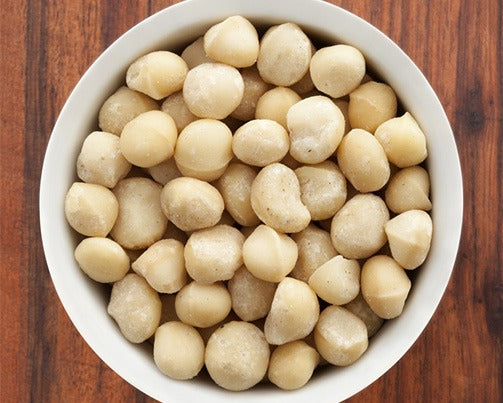
Can Macadamia Nuts Help With Weight Management?
It might seem strange to refer to anything high-fat as weight-friendly, but macadamia nuts have some properties that could make them a good inclusion in your weight control efforts. They are filling. Fiber and fats, as a combination, can be slow-digesting factors, so you don't feel as hungry, and aren't tempted to continue to more calories in the next meal or subsequent day.
One study showed that when people added nuts to their diet, they did not gain weight and even lost some, despite the added calories. The key is moderation. Macadamia nuts are so buttery and crunchy that you only need a bit.
Are Macadamia Nuts Good for Brain Health?
Macadamia nuts are a favorite for your brain. That’s because these “monounsaturated fats” and antioxidants, such as vitamin E and flavonoids, help combat oxidative stress — “one of the strongest events in the brain,” which is bad for mental functioning. Over time, a consistent diet of macadamia nuts may contribute to long-term brain health and mental clarity.
Are Macadamia Nuts Good for People With Diabetes?
Macadamia nuts are extremely low in carbs and total sugar, with a GI content of close to zero. That makes them an excellent option for people with diabetes or for those keeping a close eye on their blood sugar levels.
There is also emerging evidence of a possible beneficial effect of monounsaturated fats on insulin sensitivity. This is great for anyone hitting the gym, trying to simply support metabolic health, preventing blood sugar crashes or just getting through your day with powering energy.
Are Macadamia Nuts Anti-Inflammatory?
Chronic inflammation has been linked to a range of diseases, from heart disease to arthritis. The fats in macadamia nuts, especially omega-9s and omega-7s, are anti-inflammatory. These, too, could help reduce markers of inflammation in the body in the long term.
Macadamia Nuts also contain tocotrienols, a type of Vitamin E widely recognized for its antioxidant properties. Antioxidants neutralize free radicals, and unstable molecules that can damage our cells, creating inflammation and disease.
Are Macadamia Nuts Good for Digestion?
This is why we're firm believers that fiber is essential for overall wellness, and macadamia nuts have a fair amount of it. There are about two to three grams of fiber per serving, and fiber not only keeps you regular but it also feeds other beneficial bacteria in your gut.
A healthy population of gut bacteria has been linked to a range of benefits, including a better mood, a stronger immune system, and improved weight control. That palmful of macadamia nuts isn’t just fueling you, but the trillions of microbes that help keep you balanced and well!
Are Macadamia Nuts Good For Skin and Hair Health?
Get your skin and hair to thank you for packing in the healthy fats and antioxidants of these macadamia nuts.
Some individuals also use macadamia nut oil as a skin moisturizer and anti-aging treatment. But consuming the nuts does its finest work, ideally from the inside out, giving your skin the right essential nutrients to support its natural glow and helping hair to maintain its structure.
Who Should Avoid or Limit Macadamia Nuts?
Generally, yes. Normal, healthy people can eat macadamia nuts in moderation. They’re gluten-free, dairy-free, and free of most allergens, except, of course, tree nuts, which should be avoided by anyone sensitive to them. For the average person, they’re a brilliant addition to any diet. They're high in fat, so if you’re counting calories, moderation is essential.
How Many Macadamia Nuts Should You Eat a Day?
For most people, a serving of macadamia nuts is about 1 ounce (28 grams), or roughly 10–12 nuts. This makes a convenient portion for a snack or as an addition to meals.
Because macadamia nuts are rich in healthy fats and relatively high in calories, you don't need to eat a large amount to enjoy their nutritional benefits. A small handful can provide satisfying fats, fiber, and essential nutrients while fitting easily into a balanced diet.
How many macadamia nuts you should eat each day depends on your overall diet, calorie needs, and individual nutritional goals. Some people may enjoy a serving as a daily snack, while others may prefer smaller amounts sprinkled over oatmeal, yogurt, salads, or other meals.
If you're watching your calorie intake, measuring out a serving rather than eating directly from the bag can make portion control easier. You can also pair macadamia nuts with fruit, yogurt, or another nutrient-rich food for a satisfying snack.
The bottom line: About 10–12 macadamia nuts (1 ounce) is a typical serving size. Enjoying a serving as part of a varied, balanced diet can be a simple way to add healthy fats, fiber, and important nutrients to your day.
Where Do Macadamia Nuts Grow?
In the US, macadamia nuts are primarily grown in Hawaii. For the best flavor and freshness, you’ll want Ahualoa Family Farm’s gourmet macadamia nuts, which are grown on the Big Island, and slow-roasted in small batches. Hawai‘i’s Big Island is renowned for its volcanic soil and ideal growing conditions. Whether you eat them raw, roasted, or use them in a recipe, look for a great source so you’re getting the best the nut has to offer in terms of taste and health. (You can learn more about how do macadamia nuts grow too.)
Why Macadamia Nuts Deserve a Place in Your Snack Rotation
There is more to macadamia nuts than a tasty snack – they are also a nutritional powerhouse! Loaded with heart-healthy fats, antioxidants, and fiber, they take care of everything from your heart and brain to your skin and gut. When you choose high-quality macadamia nuts, in particular from Hawai‘i’s Big Island, you get a snack that is bursting with flavor and goodness. The next time you crave a little crunch and are feeling peckish, toss those chips aside and reach for the nuts. Your body will thank you!
Frequently Asked Questions About Macadamia Nuts
-
What do macadamia nuts taste like?
-
Macadamia nuts are known for their rich, buttery flavor and creamy texture. They have a mild taste that works well in both sweet and savory recipes.
-
How are macadamia nuts used?
-
Macadamia nuts can be eaten as a snack or used in cookies, cakes, breads, salads, granola, nut butters, and other recipes. They can also be roasted or seasoned for added flavor.
-
Why are macadamia nuts associated with Hawaiʻi?
-
Macadamia trees were introduced to Hawaiʻi in the late 19th century, and the islands' warm, tropical climate proved well suited to growing them. Macadamia nuts have since become closely associated with Hawaiʻi's agricultural industry.
-
Are macadamia nuts a good source of fiber?
-
Yes, macadamia nuts provide dietary fiber. A 1-ounce serving contains about 2 grams of fiber, which can contribute to your daily fiber intake and support digestive health. Their combination of fiber and healthy fats can also make them a satisfying addition to snacks and meals.
-
Do macadamia nuts contain antioxidants?
-
Yes, macadamia nuts contain antioxidants, including vitamin E and other beneficial plant compounds. Antioxidants help protect cells from oxidative stress caused by free radicals. While macadamia nuts can contribute antioxidants to your diet, they are best enjoyed as part of a varied diet that includes a range of fruits, vegetables, nuts, seeds, and other nutrient-rich foods.


